Symptom guide
Sensitive Teeth: Why They Hurt and What Helps
A zing from cold water or a sweet bite is common, and it’s often treatable. Learn what makes teeth sensitive, what to try at home, and when sensitivity points to a problem a dentist should check.
- Caring for Murrieta families since 1991
- (951) 677-1054
- Free parking front and back
- Rated 4.9 on Google

Why are my teeth suddenly sensitive?
Teeth get sensitive when dentin, the softer layer under the enamel, is exposed by worn enamel or receding gums. Cavities, cracks, worn fillings, grinding, whitening products and recent dental work can also cause it. A toothpaste for sensitive teeth often helps, but see a dentist if the pain is sharp or doesn’t go away.
What does tooth sensitivity feel like?
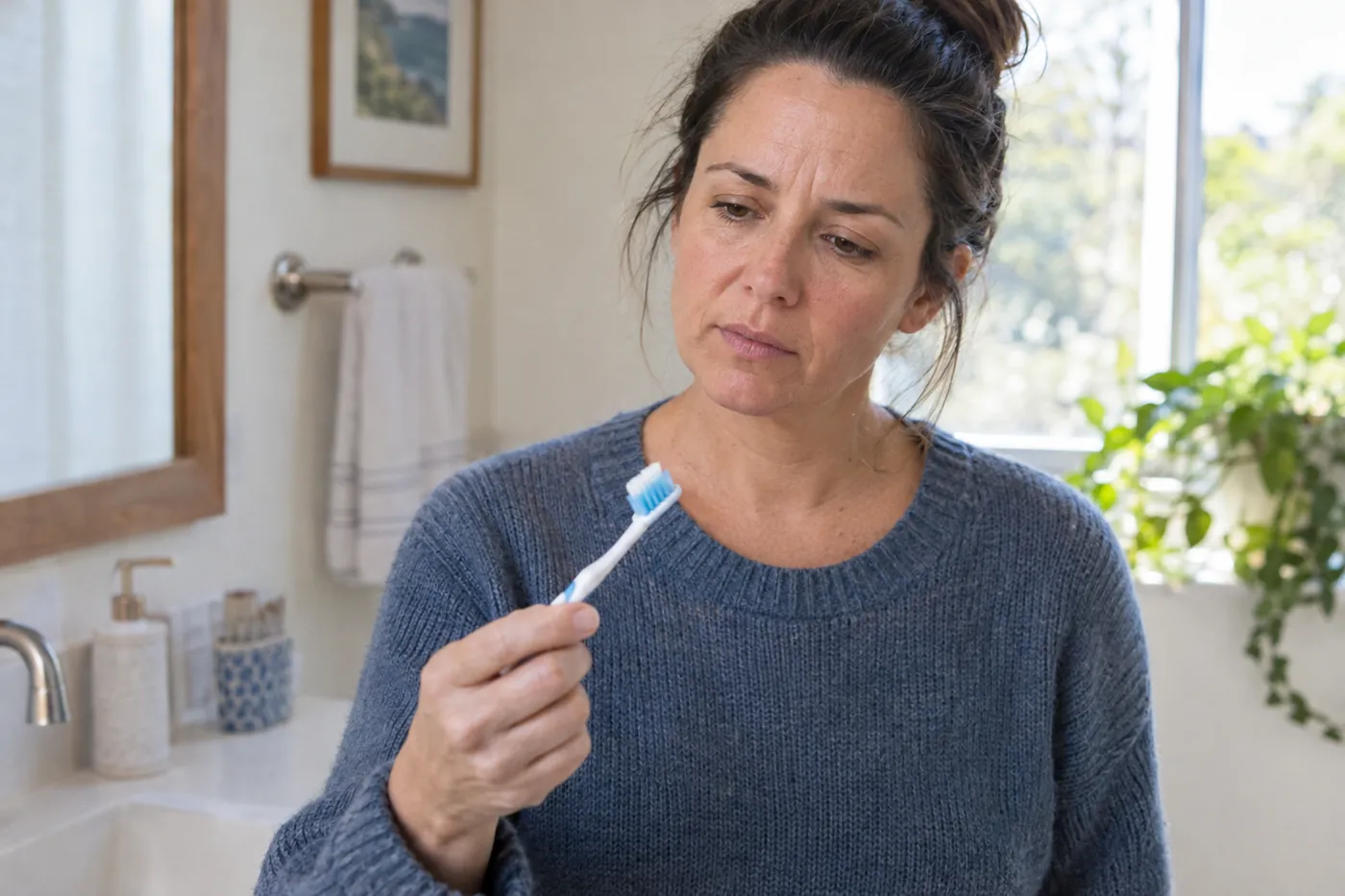
Tooth sensitivity is a sudden, sharp twinge when something hot, cold, sweet or sour touches a tooth. The feeling usually fades quickly once the trigger is gone.
A brief twinge now and then is usually not serious. Pain that lingers for more than 30 seconds after something hot or cold is different. It often means the nerve inside the tooth has been damaged by deep decay or an injury, and it should be checked soon.
If one tooth hurts much more than the others, or the pain is constant, our toothache guide may help you sort out what’s going on.
What causes sensitive teeth?
Most sensitivity happens when dentin loses its protective covering. Dentin is the layer under your enamel, and when it’s exposed, hot, cold, sweet and sour foods can reach the nerve more easily. Common causes include:
- Worn enamel from brushing too hard, using a hard brush, grinding your teeth, or frequent acidic foods and drinks like citrus, tomatoes, pickles and tea.
- Receding gums that expose the root surface, often linked to gum disease or brushing too hard. Our bleeding gums guide covers early gum disease.
- Cavities and worn fillings that leave part of the tooth unprotected.
- Cracked or chipped teeth. See our guide to a broken or chipped tooth.
- Whitening products, which can increase sensitivity for some people.
- Recent dental work, such as a filling or cleaning, which can cause short-term sensitivity.
At a glance
Brief twinge or something more?
How your sensitivity behaves can hint at the cause; a dental exam confirms it.
| What you notice | What it may mean | What to do |
|---|---|---|
| A quick twinge with hot or cold that fades fast | Minor decay, a loose filling or a little exposed root | Use a sensitive toothpaste and a soft brush; see a dentist if it continues |
| Sensitivity after a filling or other dental work | Temporary irritation of the nerve | Give it two to four weeks; call if it lasts or gets worse |
| Sharp pain when you bite down | Decay, a loose filling, a crack or nerve damage | Have a dentist check it |
| Pain that lingers more than 30 seconds | Likely nerve damage from deep decay or injury | See a dentist as soon as you can |
| Constant pain with gum swelling | Possible infection (abscess) | Call a dentist promptly; get emergency care for warning signs |
How do I calm sensitive teeth at home?
For mild sensitivity, a toothpaste made for sensitive teeth and gentler brushing are the first things to try.
- Use a desensitizing toothpaste every day. These contain ingredients that help block the sensation from reaching the nerve. It usually takes several uses before you notice a difference.
- Dab a little on the sore spot. Cleveland Clinic suggests putting a small amount of desensitizing toothpaste on the sensitive area before bed.
- Switch to a soft-bristled brush and brush gently. Soft bristles are less likely to wear enamel or push gums back.
- Use fluoride products to help strengthen your enamel.
- Cut back on acidic foods and drinks, such as citrus fruits, soda and some juices.
- Protect against grinding. If you clench or grind, ask your dentist about a mouth guard.

Is it normal for teeth to be sensitive after whitening or a filling?
Yes, short-term sensitivity after whitening or dental work is common, and it often fades on its own.
After a filling or other treatment, the nerve inside the tooth can be irritated for a while. The usual advice is to give it two to four weeks. If the sensitivity lasts longer or gets worse, have the tooth checked.
Some whitening products can make teeth more sensitive. If you’re thinking about teeth whitening and your teeth are already sensitive, talk with our team first. If sensitivity started with a store-bought whitening product, check with a dentist before you keep using it.

How does a dentist treat sensitive teeth?
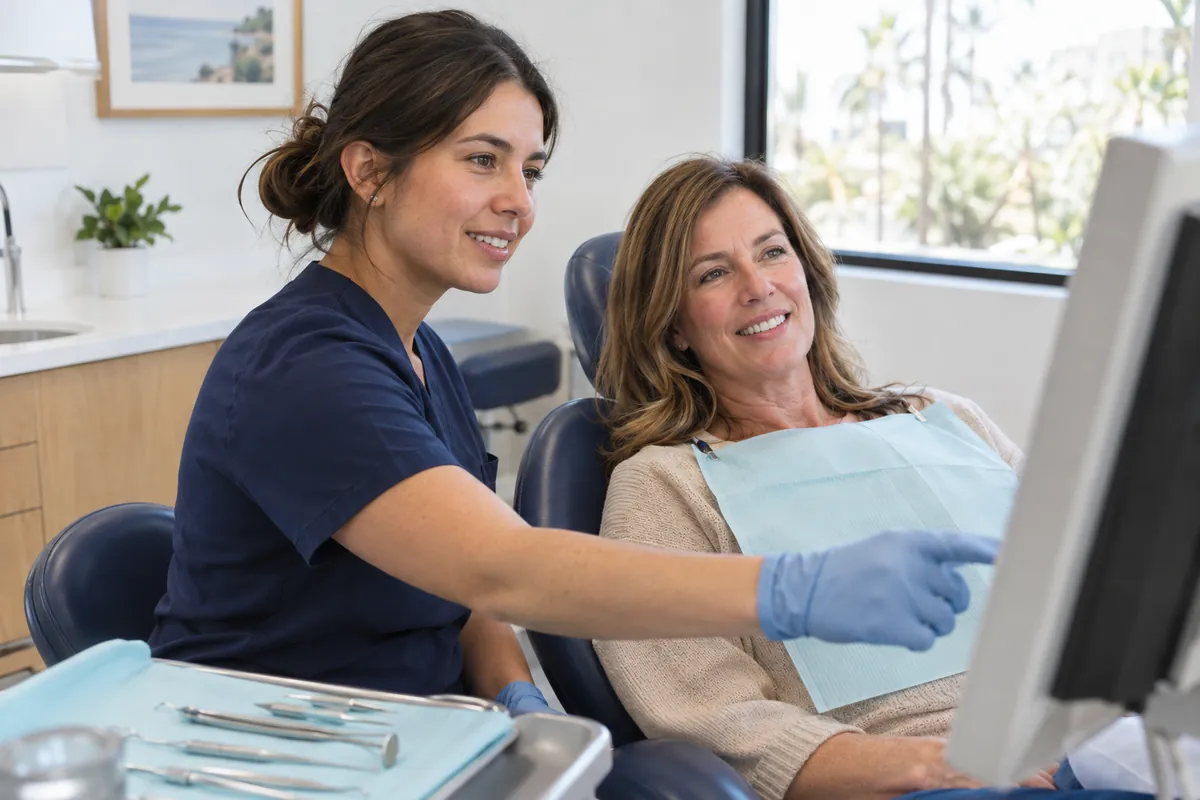
A dentist treats sensitivity by finding the cause and protecting the exposed part of the tooth. The dentist will check for cavities, cracks, worn fillings and gum recession, and may take X-rays. Depending on what’s found, options include:
- Fluoride varnish or gel applied in the office to strengthen enamel and reduce sensation.
- Bonding or a sealant to cover exposed root surfaces.
- A filling, crown or inlay to repair decay or a flaw. Learn about tooth-colored fillings and dental crowns.
- A gum graft when gum tissue has pulled away from the root.
- Root canal treatment for severe sensitivity that won’t go away with other treatments. Read about root canal treatment.
When should I worry about sensitive teeth?
Call a dentist when sensitivity lingers, is sharp, sticks to one tooth, or keeps coming back even with a sensitive toothpaste. Sensitivity can be an early sign of a cavity, gum disease or a cracked tooth, and those problems are easier to treat early.
Also call promptly if a tooth hurts when you bite down, or if you notice swelling in your gums near a sensitive tooth. Constant, severe pain with gum swelling can mean an infection. Our tooth abscess guide lists the warning signs.
When to get emergency care
Call 911 or go to the ER for facial swelling that makes it hard to breathe or swallow or that affects your vision, a high fever with swelling, bleeding that won’t stop with pressure, or a serious injury to your face or jaw.
How can I prevent sensitive teeth?
Protecting your enamel and your gums is the key to preventing sensitivity. Good daily care does most of the work.
- Brush twice a day with fluoride toothpaste and a soft brush, using a gentle touch.
- Floss or clean between your teeth every day.
- Limit acidic foods and drinks.
- Wear a mouth guard if you grind your teeth.
- Keep up with regular cleanings and checkups, so problems like cavities, cracks and gum recession are caught early.
Use your benefits
If sensitivity has been bothering you, our Murrieta team can help you get it checked. Many dental benefits renew at the end of the year, and our team is happy to help you use yours before then.
Questions & answers
Common questions
How long does it take for sensitive toothpaste to work?
It usually takes several uses before you notice less sensitivity, and you need to keep using it for the effect to last. Brush with it twice a day like regular toothpaste. If it isn’t helping after steady use, see a dentist, because a cavity, crack, worn filling or gum recession may be causing the problem and needs a different fix.
Can sensitive teeth go away on their own?
Sometimes. Cleveland Clinic notes that sensitivity can fade on its own, especially after a dental visit. Sensitivity from worn enamel or receding gums usually needs help, such as a desensitizing toothpaste, fluoride or a treatment that covers the exposed area. Sensitivity caused by a cavity or a crack won’t heal by itself and needs a dentist.
Can receding gums cause sensitive teeth?
Yes. When gums pull back, they expose the root surface of the tooth, which is more sensitive to temperature and touch. Gum disease and brushing too hard with a hard brush can both contribute to recession. A dentist can protect exposed roots with bonding or, when a lot of gum tissue has been lost, a gum graft.
What are some effective home remedies for toothaches?
For sensitivity-type pain, a desensitizing toothpaste and a soft brush are the place to start. For a true toothache, rinse with warm salt water, floss gently to clear food, hold a cold compress on your cheek and take an over-the-counter pain reliever as the package directs. These ease pain but don’t fix the cause, so a dentist should still check the tooth.
Can grinding my teeth make them sensitive?
Yes. Clenching or grinding can wear down enamel and expose the dentin underneath, which makes teeth more sensitive. Grinding can also lead to cracks and a dull ache in the jaw. A dentist can look for signs of wear and may suggest a mouth guard to protect your teeth, especially if you grind at night.
Keep reading
Related care and answers
Tooth-Colored Fillings
How composite (tooth-colored) fillings work: signs of a cavity, what to expect, composite vs. amalgam, kids’ c
Dental Cleanings & Exams
What happens at a dental checkup: cleaning, exam, X-rays when needed, oral cancer screening and gum checks. Us
Teeth Whitening
Professional vs. store-bought whitening, what it can and can’t change, sensitivity, safety and keeping results

Toothache
What a toothache can mean, safe ways to ease it at home, and when to call a dentist or go to the ER. A plain g
Bleeding Gums
Why gums bleed when you brush or floss, what helps at home, when bleeding is an emergency, and how a dentist t
Sources
- Sensitive Teeth: Causes, Treatment & Prevention · Cleveland Clinic
- Sensitive Teeth · American Dental Association (MouthHealthy)
- Tooth Pain · American Association of Endodontists
- Why Are My Teeth Sensitive—and How Can I Make It Stop? · Penn Dental Medicine
- Cracked Teeth · American Association of Endodontists
- Toothache: Symptoms, Causes & Remedies · Cleveland Clinic
- Ludwig’s Angina: Symptoms, Signs & Treatment · Cleveland Clinic
- Broken or knocked out tooth · MedlinePlus (U.S. National Library of Medicine)
Golden Triangle Dentistry is not affiliated with these organizations. Links open in a new tab.
Important information: This page shares general information and is not a diagnosis; a dentist needs to examine your teeth to find the cause of sensitivity. In an emergency, call 911.
Golden Triangle Dentistry
Book a visit
25460 Medical Center Dr, Suite 202, Murrieta
Tired of wincing at cold drinks?
Call Golden Triangle Dentistry at (951) 677-1054 and our team will help you have your sensitivity checked.