Orthodontics: braces and aligners
Braces and Clear Aligners in Murrieta
A healthy bite makes it easier to bite, chew and speak, and straighter teeth can be easier to keep clean. Orthodontic care, braces and aligners, will be available right here at our office, so your family won’t need to travel elsewhere.
- Braces and clear aligners
- Kids, teens and adults
- Flexible financing options
- Caring for families since 1991

What is the difference between braces and clear aligners?
Braces are small brackets bonded to your teeth and joined by a wire, and they stay on for the whole treatment. Clear aligners are thin, removable plastic trays that you change about every two weeks and wear at least 22 hours a day. Both move teeth slowly, and the right choice depends on your bite.
Orthodontic care is coming to our office
Orthodontic care is on its way to Golden Triangle Dentistry. Dr. Neff’s letter to our patients shares that orthodontics (braces and aligners) will be available right here, so you will not need to travel to another office.
It’s part of a bigger change. With Dr. H. Pourshirazi, DMD, now caring for patients and Dr. Meerweis Stanisai, DDS, continuing to see patients, the letter describes “specialists under one roof” for oral surgery, root canal treatment, orthodontics and children’s dentistry.
If you’ve been searching for orthodontic care in Murrieta, call us first. Our team will tell you who will provide braces and aligner care here and how to plan your first visit.
The same caring team, the same office and the same phone number are staying. Your records stay right here, too.
How do braces and clear aligners work?
Both braces and clear aligners move teeth with gentle, steady pressure over time.
Braces use small brackets bonded to the teeth and connected by a wire that is adjusted from time to time. The brackets can be metal or tooth-colored, and sometimes they’re placed behind the teeth.
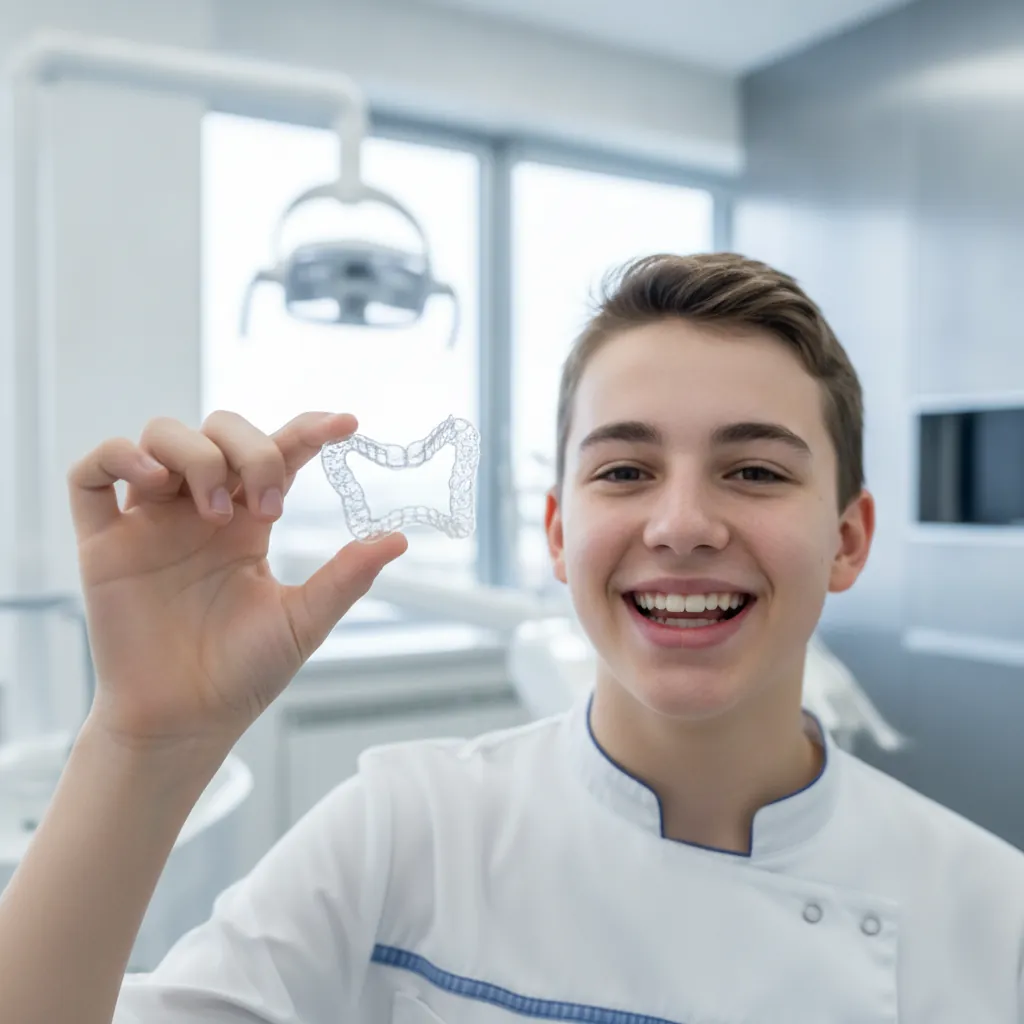
Clear aligners, such as the Invisalign system, are a series of thin plastic trays shaped to fit your teeth. Each set moves your teeth a little further, and you usually switch to the next set about every two weeks.
The American Association of Orthodontists (AAO) says braces can treat most orthodontic problems, and aligners work for many, depending on the case. The right choice depends on your bite and your routine.
At a glance
Braces and clear aligners side by side
Both can straighten teeth; they differ in how you wear them and care for them.
| Braces | Clear aligners | |
|---|---|---|
| How they attach | Brackets bonded to teeth, joined by a wire | Removable plastic trays shaped to your teeth |
| Look | Metal or tooth-colored brackets | Clear and hard to notice |
| Daily wear | On all the time | At least 22 hours a day |
| Eating | Avoid hard, sticky, crunchy and chewy foods | Take trays out to eat or drink anything but water |
| Cleaning | Careful brushing and flossing around brackets and wires | Brush and clean teeth before trays go back in |
| What they treat | Most orthodontic problems | Many problems, depending on the case |
| After treatment | Retainer | Retainer |
What signs mean a bite needs attention?
Crowded, crooked or widely spaced teeth, and teeth that don’t meet the way they should, are common signs it’s time for an orthodontic check. Learn more about crooked teeth and bite problems, or watch for these:
- Crowded, overlapping or crooked teeth
- Gaps or wide spaces between teeth
- Upper teeth that sit far in front of the lower teeth (overbite), or lower teeth that jut forward (underbite)
- Front teeth that don’t touch when you bite down (open bite)
- Trouble biting or chewing, or pain when you chew
- In children: losing baby teeth much earlier or later than usual, mouth breathing, constant cheek biting, or a jaw that shifts or clicks
Why it matters
The ADA notes that a bite left untreated can lead to tooth decay, gum disease, uneven tooth wear, and problems with chewing, speaking or the jaw.

What is the right age for orthodontics?
There’s no single right age. The AAO recommends a first orthodontic check-up by age 7, treatment often starts between ages 8 and 14, and healthy teeth can be moved at any age.
An early check-up doesn’t mean braces right away. It shows how your child’s teeth and jaws are growing and whether treatment might help later. If you notice a problem sooner, you don’t need to wait.
Bite problems usually become noticeable between ages 6 and 12, as adult teeth come in. Regular children’s dentistry visits are a good time to ask how your child’s bite is developing.
Many teens can choose braces or clear aligners. Aligners suit teens who will wear them nearly all day; braces stay on, so there’s nothing to remember.
Teens who play sports should wear a mouthguard, which the ADA says may be especially important with braces. Ask which type to use.
Is it too late to straighten teeth as an adult?
No. The ADA says healthy teeth can be moved at any age, and the AAO reports that about 1 in 3 orthodontic patients today are adults.
Adults often choose treatment to close gaps, fix crowding or improve how their teeth meet. The AAO notes that misaligned teeth are harder to clean and can contribute to gum disease.
Because healthy gums matter during treatment, it’s smart to be up to date on your cleanings and exams before you start.
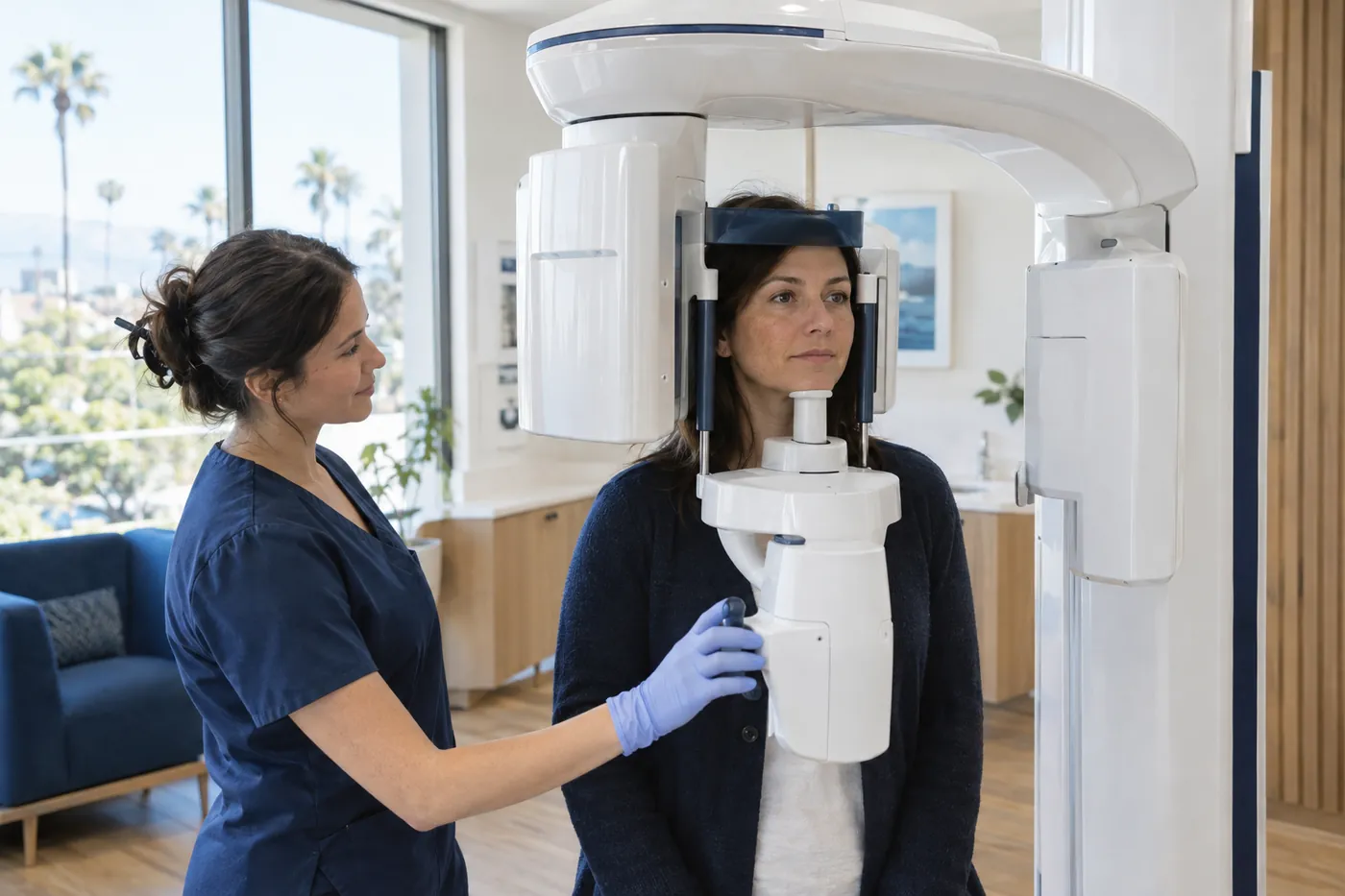
Our office is also adding 3D imaging and digital impressions, which Dr. Neff’s letter says are “for more comfortable visits and fewer appointments.”

What does orthodontic treatment involve?
Orthodontic treatment follows a few clear stages, from an exam and a custom plan to active tooth movement and a retainer at the end.
- An exam of your teeth, bite and jaws, often with X-rays or other images
- A treatment plan that explains which options fit your bite
- Active treatment, with braces or a series of aligners moving teeth a little at a time
- Regular check-ins to make sure teeth are moving as planned
- A retainer to hold your teeth in their new positions
How long does it take?
According to the ADA, most people are in active treatment for one to three years, followed by time in a retainer. Every bite is different, so your plan will explain what to expect.
Do you need a retainer after braces or aligners?
Yes. After braces or aligners come off, teeth can drift back toward their old positions, and a retainer holds them where they belong.
Retainers can be removable, like clear plastic trays or a wire-and-acrylic design, or fixed, with a thin wire bonded behind the teeth.
Cleveland Clinic says many people wear a retainer day and night for at least four to six months, then at night long-term.
Clean a removable retainer daily, and keep it in its case, away from pets, when it’s out.
How do you care for your teeth during treatment?
Brush well after meals and before bed, clean between your teeth every day, and follow the food rules for your type of treatment.
- With braces, the AAO suggests brushing for two minutes after every meal or snack and before bed, and flossing at least once a day.
- Skip hard, sticky and crunchy foods like popcorn, caramels, hard pretzels and taco chips, which can damage brackets and wires.
- Tap water and milk are good drinks with braces. The AAO advises avoiding regular and diet soft drinks.
- With aligners, take them out to eat or drink anything except tap water, and brush before you put them back in.
- Keep up regular cleanings, since plaque builds up easily around brackets and under trays.
Broken bracket or lost aligner?
Call us. A loose bracket or wire, or a lost or broken aligner, can slow treatment. Broken braces usually aren’t an emergency unless there’s bleeding. Call 911 or go to the nearest emergency room for swelling that makes it hard to breathe, swallow or see, a high fever with swelling, bleeding that won’t stop, or a serious injury such as broken facial bones.
What affects the cost of braces or aligners?
The cost of orthodontic care depends mostly on how complex your bite is, how long treatment takes and which type of appliance fits your needs. Our braces vs. clear aligners cost guide explains each factor in plain terms, and our financing page covers ways to spread out payments.
- How much your teeth and bite need to move
- Whether braces or clear aligners are the better fit
- How long treatment lasts and how many check-ins you need
- Retainers after treatment
- Whether your dental plan includes orthodontic benefits
Paying for treatment
We accept cash, check, Visa, MasterCard, Discover, American Express and CareCredit, and we work with most dental insurance plans, including most PPOs. Dr. Neff’s letter also shares that more payment choices, with flexible financing options, are coming.

Questions & answers
Common questions
Do I need to see an orthodontist for braces or aligners?
Orthodontics is a recognized dental specialty focused on diagnosing and correcting bad bites. Dr. Neff’s letter shares that orthodontic care, braces and aligners, will be available right here at Golden Triangle Dentistry. Call us and our team will tell you who will provide your care and answer your questions about their training.
Can I use an at-home aligner kit instead?
The ADA warns that at-home, direct-to-consumer aligners pose risks. Moving teeth without a full picture of your dental health can lead to bone loss, receding gums, bite problems, jaw pain or even lost teeth. The ADA advises talking with a dentist first, and aligners should be used under a dentist’s direct supervision.
Do braces or aligners hurt?
It’s common to feel pressure or mild soreness as teeth start to move, such as when you begin a new set of aligners. Soft foods like soups and pasta can help. Call us if you have sharp pain, pain that lasts more than a few days, bleeding or swollen gums, or a tray that doesn’t fit.
Do braces make teeth completely straight?
Braces and aligners can improve how teeth line up and meet, but results depend on your bite, your growth and how closely you follow your plan. Wearing aligners as prescribed matters, and so does wearing your retainer afterward, because teeth can shift back without one.
Does dental insurance cover braces or aligners?
It depends on your plan. Some dental plans include orthodontic benefits and some don’t. We work with most dental insurance plans, including most PPOs, and the same plans are still accepted, including the UFCW member dental plan. Call us with your plan information and our team will answer your questions.
Keep reading
Related care and answers
Braces vs. Clear Aligners Cost Guide
How braces and clear aligners compare on cost factors, insurance, timing and retainers. A plain guide from Gol
Crooked Teeth
Why teeth grow in crooked, when it matters for your health, how braces and clear aligners help, and what age t

Children’s Dentistry
Children’s dentistry in Murrieta: first visits, checkups, fluoride, sealants and habit checks. Parents are wel
3D Imaging, Digital X-Rays & Digital Impressions
We’re adding 3D imaging, digital X-rays and digital impressions. Learn what each one does, how radiation is ke
Payment Options & Financing
Pay by cash, check, Visa, MasterCard, Discover, American Express or CareCredit, with more financing choices on
Sources
- Orthodontics for Children: Developing a Healthy Smile · American Association of Orthodontists
- Aligners vs. Braces: A Comparison · American Association of Orthodontists
- Adult Orthodontics: Embrace Your Smile at Any Age · American Association of Orthodontists
- Living With Braces · American Association of Orthodontists
- Braces · American Dental Association (MouthHealthy)
- Orthodontics · American Dental Association (MouthHealthy)
- Do-it-yourself (DIY) Dentistry · American Dental Association (MouthHealthy)
- Mouthguards · American Dental Association (MouthHealthy)
- Malocclusion of teeth · MedlinePlus (U.S. National Library of Medicine)
- Clear Aligners · Cleveland Clinic
- Teeth Retainer · Cleveland Clinic
- Dental Emergencies: What To Do · Cleveland Clinic
- Periapical Abscess · Cleveland Clinic
Golden Triangle Dentistry is not affiliated with these organizations. Links open in a new tab.
Important information: Orthodontic care is being added as described in Dr. Neff’s letter; call us for current availability. Invisalign is a trademark of Align Technology, Inc., named only as an example.
Golden Triangle Dentistry
Book a visit
25460 Medical Center Dr, Suite 202, Murrieta
Ask about braces and aligners
Call (951) 677-1054 and our team will let you know when orthodontic care is available here and help you plan a first visit.