Symptom guide · Act promptly
Tooth Abscess: Warning Signs and When to Get Help Fast
A tooth abscess is an infection that won’t heal on its own. Learn the signs, what to do while you wait to be seen, and which symptoms mean you should call 911 or go to the ER.
- Caring for Murrieta families since 1991
- (951) 677-1054
- Wheelchair-accessible entrance
- Free parking front and back
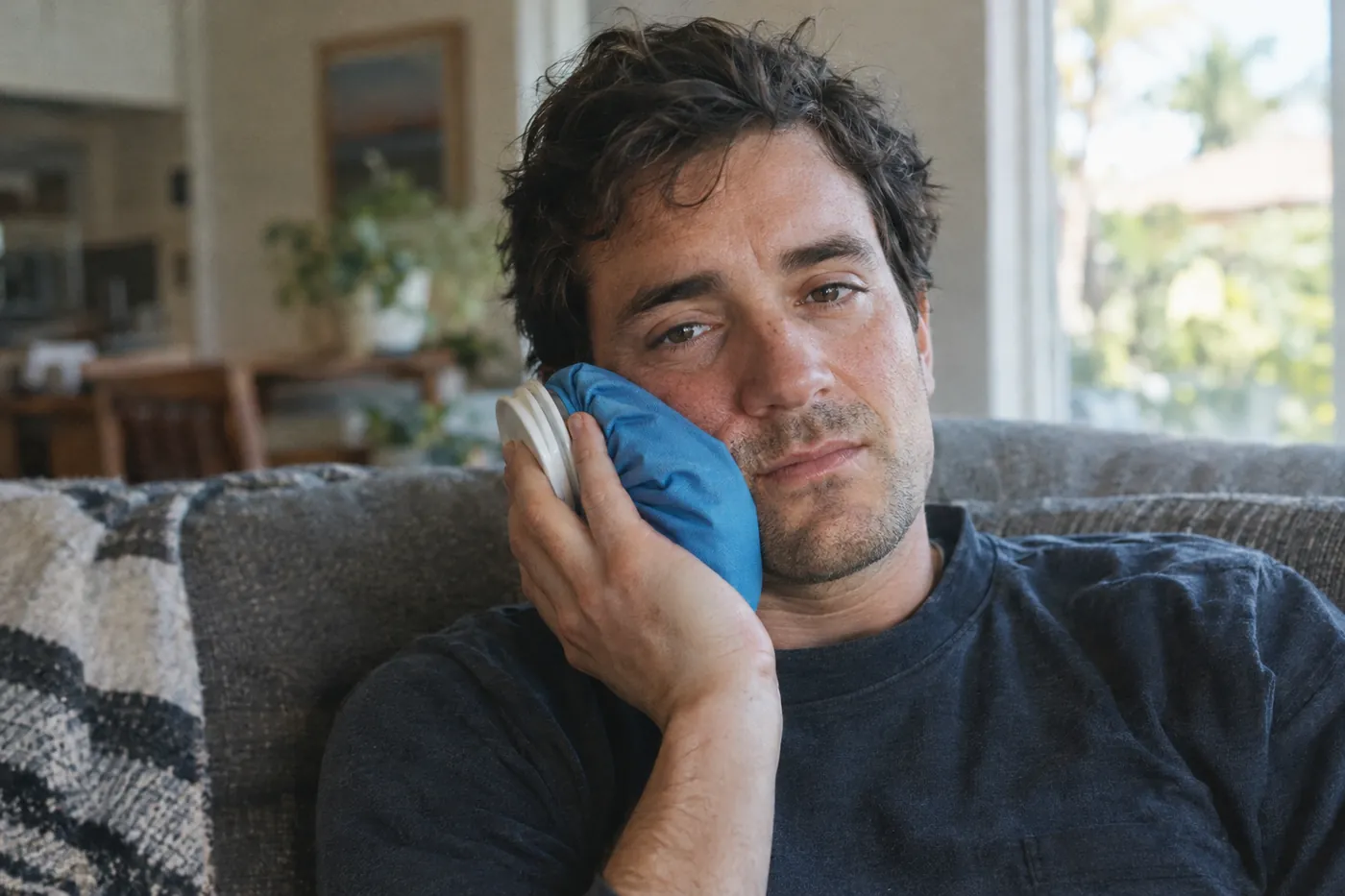
What should I do if I think I have a tooth abscess?
Call a dentist promptly, because a tooth abscess is an infection that won’t go away on its own. Warm salt-water rinses and an over-the-counter pain reliever can ease discomfort while you wait. Go to the ER for a fever or facial swelling, and call 911 if you have trouble breathing or swallowing.
When is a tooth abscess an emergency?
A tooth abscess is an emergency when you also have a fever, facial swelling, confusion, a racing heartbeat, or trouble breathing or swallowing. Don’t wait for a dental appointment. Call 911 or go to the nearest emergency room if you have:
- Trouble breathing or swallowing
- Swelling under your jaw or in your neck, or swelling in your face
- Swelling below your eye, or swelling that affects your vision
- A fever of 100.4°F (38°C) or higher
- Confusion or a racing heartbeat
- Severe pain that keeps getting worse
- Bleeding that won’t stop with pressure, or a serious injury to your face or jaw
Breathing or swallowing trouble? Call 911.
MedlinePlus explains that an infection under the tongue, called Ludwig angina, often starts with an infected tooth root and can swell fast enough to block the airway.

What is a tooth abscess?
A tooth abscess is a pocket of pus caused by a bacterial infection in or around a tooth. It forms when bacteria reach the inside of a tooth or the tissue that holds it in place.
The pulp is the soft tissue inside your tooth. When decay, a crack or gum disease lets bacteria reach it, the pulp can become inflamed and die. Pus then collects at the tip of the root in the jawbone.
Dentists describe three main types, based on where the infection starts:
- Periapical abscess: at the tip of the root, often after decay or a crack lets bacteria into the pulp.
- Periodontal abscess: in the bone and tissue that support the tooth, usually from gum disease. It’s more common in adults.
- Gingival abscess: in the gum only, usually without affecting the tooth itself.
At a glance
Dentist soon, ER, or 911?
Use this as a rough guide; when in doubt, get checked sooner rather than later.
| What you notice | What to do |
|---|---|
| Toothache, tender gum or a bad taste | Call a dentist promptly |
| A pimple-like bump on the gum | Call a dentist promptly, even if it doesn’t hurt |
| Pain that suddenly stops after a bad toothache | Still get it checked; the infection may still be spreading |
| Facial swelling, a fever of 100.4°F or higher, confusion or a racing heartbeat | Go to the emergency room |
| Trouble breathing or swallowing, or swelling under the jaw or in the neck | Call 911 |
What are the first signs of a tooth abscess?
The most common first sign is a constant, severe toothache that may throb, gnaw or feel sharp and shooting. The pain may spread to your ear, jaw or neck, and it may hurt to chew.
Other signs to watch for include:
- Sensitivity to hot or cold
- A bitter taste or bad breath
- Red, swollen gums near one tooth
- A pimple-like bump on the gum, which may drain
- Swollen glands in your neck
- A tooth that feels loose
- Jaw swelling, which MedlinePlus calls a serious sign
- Fever
Not every abscess hurts
Some abscesses cause little pain, so a bump on the gum, a bad taste or swelling near one tooth is worth a call even if it doesn’t hurt much.
What triggers a tooth abscess?
Anything that opens a path for bacteria into a tooth or the gum around it can trigger an abscess. The most common triggers are:
- Deep cavities that reach the pulp
- A broken, chipped or cracked tooth. See our guide to a broken or chipped tooth.
- Gum disease, which can lead to infection in the bone and tissue around a tooth
- An injury to a tooth, even when you can’t see a crack
What raises your risk
Smoking, dry mouth, a weakened immune system and skipping daily brushing and flossing all raise the risk. Cleveland Clinic notes that people who smoke are about twice as likely to get an abscess.
How long can I leave a tooth abscess untreated?
You shouldn’t leave it at all. A tooth abscess won’t go away on its own, and an untreated one can become life-threatening.
Pain may ease when pressure releases or when the nerve inside the tooth dies, but the infection keeps spreading. Left alone, it can reach the jawbone and the soft tissues of the face and neck. Less often, it spreads to the bloodstream, the heart or the brain.
There’s no safe waiting period. Call a dentist as soon as you notice signs, and treat any of the warning signs above as an emergency.
What can you do at home for a tooth abscess?
Home care can ease the pain while you wait to be seen, but nothing you do at home will cure an abscess.
- Rinse with warm salt water, about half a teaspoon of salt in 8 ounces of warm water.
- Take an over-the-counter pain reliever, such as acetaminophen or ibuprofen, following the package directions. Ask your pharmacist what’s safe with your other medicines.
- Hold a cold compress against the outside of your cheek to ease soreness.
- Don’t put aspirin on the tooth or gums. It can irritate the tissue and cause mouth sores.
- Keep brushing and flossing gently so food doesn’t collect around the sore area.
How do you get rid of an abscess in your tooth?
A dentist gets rid of an abscess by draining the infection and removing its source. The right approach depends on where the infection started and how much damage it has done. Options include:
- Draining the abscess. A small cut lets the pus drain out.
- Root canal treatment. The infected pulp is removed and the inside of the tooth is cleaned, filled and sealed. Learn more about root canal treatment. The tooth is often protected afterward with a dental crown.
- Deep cleaning. When gum disease is the cause, the space between the tooth and gum is cleaned. See gum disease treatment.
- Removing the tooth. If a tooth is too damaged to save, it may need to come out.
- Antibiotics. These help fight the infection, but on their own they don’t remove its source.
Care under one roof
Dr. Neff’s letter to our patients explains that root canal treatment and oral surgery will be available right here, so you will not need to travel to another office. Dental implants are placed in our office, from start to finish.

What happens when you call us about a possible abscess?
Call (951) 677-1054 and tell our team about your pain, any swelling and whether you have a fever. Those details help us understand how urgent things are. If you have any emergency warning signs, go to the ER or call 911 first.
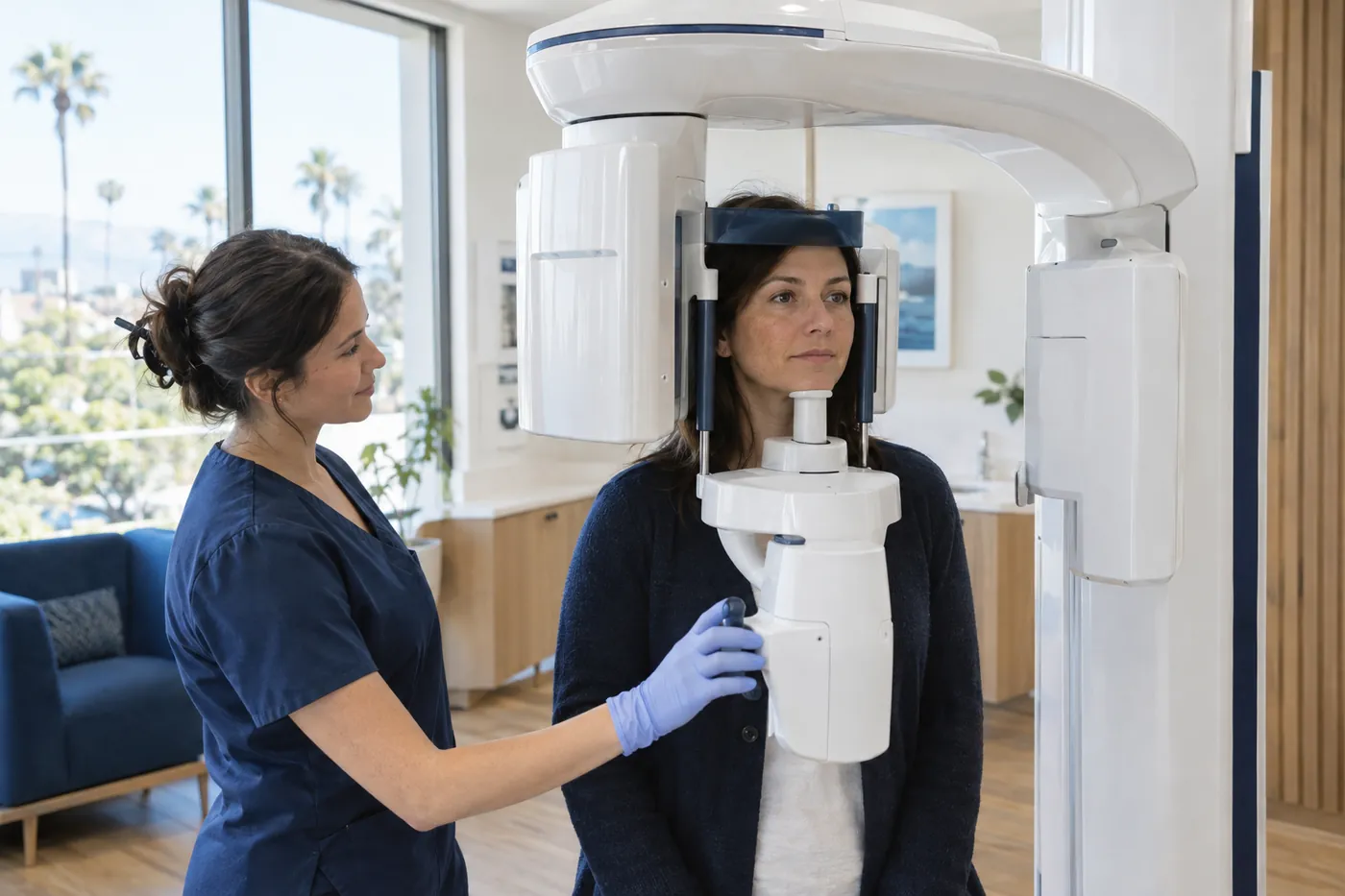
At your visit, the dentist will examine the tooth and gums and may take X-rays to find where the infection started. Our updated technology includes digital X-rays and 3D imaging. You can also read about emergency dental care at our office.
Our Murrieta office is at 25460 Medical Center Dr, Suite 202, with free parking in front of and behind the building and a wheelchair-accessible entrance.
How can I prevent a tooth abscess?
The main way to prevent an abscess is to prevent cavities and gum disease, and to treat them early.
- Brush twice a day and floss once a day.
- Keep up with regular checkups and cleanings, so decay is caught while it’s small.
- Have a chipped, broken or loose tooth checked right away.
- Avoid tobacco.

Questions & answers
Common questions
Is a tooth infection the same thing as an abscess?
Not exactly. A tooth infection starts when bacteria get into a tooth or the gum around it. An abscess is the pocket of pus that the infection can form, usually at the root tip or in the gum. People often use the words interchangeably, and either one needs a dentist, because neither heals on its own.
Can a toothache cause a swollen face?
Yes. When a toothache comes from an abscess, the infection can spread into the jaw and the soft tissues of the face, causing swelling. Cleveland Clinic advises going to the emergency room if a tooth abscess comes with facial swelling. Swelling that affects your breathing or swallowing is a reason to call 911.
What is mistaken for a tooth abscess?
Several problems can feel like an abscess. A sinus infection or an earache can cause pain that you feel in your upper teeth, and grinding your teeth can cause a dull ache in the jaw. Inflamed gum around a wisdom tooth that has only partly come in can also swell and hurt. A dentist can tell the difference with an exam and X-rays.
Can your body fight off a tooth infection by itself?
No. Cleveland Clinic states that a tooth abscess won’t go away on its own. The pain may ease if pressure releases or the nerve dies, but bacteria keep damaging the tissue. The source of the infection has to be treated, usually by draining it and then saving the tooth with root canal treatment or removing it.
What kills an infection in a tooth?
Antibiotics can help kill bacteria, especially when an infection is spreading, but Cleveland Clinic notes they don’t remove the source. To fully treat an abscess, a dentist needs to drain it and treat the tooth, usually with root canal treatment or by removing the tooth. If you’re prescribed an antibiotic, take it exactly as directed.
What happens if a tooth abscess bursts?
If an abscess drains on its own, you may see a draining sore on the gum or notice a bitter taste, and the pain may ease. That relief doesn’t mean the infection is gone. MedlinePlus explains that the infection keeps spreading even after the pressure is released. Rinse with warm salt water and call a dentist to have it treated.
Keep reading
Related care and answers

Emergency Dental Care
What counts as a dental emergency, what to do now for a knocked-out or broken tooth, toothache or swelling, an
Root Canal Treatment
Root canal treatment saves an infected tooth. Learn the signs, what happens, comfort, crowns, myths and cost,

Toothache
What a toothache can mean, safe ways to ease it at home, and when to call a dentist or go to the ER. A plain g

Swollen Gums
What causes swollen gums, safe ways to calm them at home, when swelling is an emergency, and when to see a den
Root Canal Cost Guide
What affects the cost of a root canal, why a crown often follows, and how saving a tooth compares with pulling
Sources
- Abscessed Tooth · Cleveland Clinic
- Tooth abscess · MedlinePlus (U.S. National Library of Medicine)
- Abscessed Teeth · American Association of Endodontists
- Abscess · American Dental Association (MouthHealthy)
- Ludwig angina · MedlinePlus (U.S. National Library of Medicine)
- Ludwig’s Angina: Symptoms, Signs & Treatment · Cleveland Clinic
- Toothache: Symptoms, Causes & Remedies · Cleveland Clinic
- Tooth Pain · American Association of Endodontists
- Broken or knocked out tooth · MedlinePlus (U.S. National Library of Medicine)
Golden Triangle Dentistry is not affiliated with these organizations. Links open in a new tab.
Important information: This page shares general information and is not a diagnosis; a dentist must examine you to confirm an abscess. For trouble breathing or swallowing, call 911.
Golden Triangle Dentistry
Book a visit
25460 Medical Center Dr, Suite 202, Murrieta
Think you have an abscess?
Call Golden Triangle Dentistry at (951) 677-1054. If you have trouble breathing or swallowing, call 911 instead.