Symptom guide
Dry Mouth: Causes, Relief and Protecting Your Teeth
A mouth that feels sticky or parched is more than uncomfortable. Learn what causes dry mouth, what helps at home, and how our Murrieta team can help protect your teeth while you find the cause.
- Also called xerostomia
- Medicines are a common cause
- Raises cavity risk
- Plain-language guide

What is dry mouth?
Dry mouth, or xerostomia, means your mouth is not making enough saliva. It feels sticky or parched and can make chewing, swallowing and talking harder. Medicines are the most common cause. Sipping water, sugar-free gum and a humidifier can help, and a dentist can protect your teeth, since low saliva raises the risk of cavities.
What does dry mouth feel like?
Dry mouth feels sticky, as if your tongue clings to the roof of your mouth when you talk. Cleveland Clinic calls that sticky feeling the hallmark symptom.
It often comes with other changes that build slowly, so you may not connect them at first:
- Trouble chewing, swallowing, tasting or speaking
- A burning or itchy feeling in the mouth
- Cracked lips and mouth sores
- A sore throat or hoarse voice
- Feeling thirsty more often
- Bad breath
What is the number one cause of dry mouth?
Medicines are the most common cause. NIDCR says hundreds of medicines can make the salivary glands produce less saliva, including some drugs for blood pressure, depression and bladder control.
Cleveland Clinic adds antihistamines, decongestants and anti-anxiety medicines to that list. The American Dental Association also names pain relievers and diuretics (water pills).
Other causes include health conditions such as diabetes and Sjögren’s disease, radiation or chemotherapy for cancer, nerve damage from a head or neck injury, mouth breathing, dehydration, and alcohol or tobacco use.
Do not stop a medicine on your own
If you think a medicine is drying your mouth, ask the doctor who prescribed it. NIDCR notes a provider may be able to adjust or change it.

At a glance
Common causes of dry mouth
If more than one of these fits you, mention each of them to your dentist or doctor.
- Medicines The most common cause. Some drugs for allergies, colds, blood pressure, depression, anxiety, pain and bladder control can reduce saliva.
- Health conditions Diabetes, Sjögren’s disease, stroke, Alzheimer’s disease and HIV are among the conditions linked to dry mouth.
- Cancer treatment Radiation to the head and neck can damage salivary glands, and chemotherapy can make saliva thick.
- Mouth breathing Breathing through your mouth, especially during sleep, dries the mouth out.
- Dehydration Not drinking enough fluids can leave your mouth dry, at least for a while.
- Alcohol, tobacco and caffeine Each of these can dry the mouth, and tobacco also raises the risk of gum disease.
Why does dry mouth matter for your teeth?
Saliva is your mouth’s main defense against tooth decay. It washes away food and neutralizes acids, and NIDCR notes it carries calcium and phosphate that help keep teeth strong.
When saliva runs low, teeth lose that protection. NIDCR says dry mouth raises the risk of tooth decay and fungal infections, and Cleveland Clinic adds gum disease and oral thrush to the list.
That is why a dentist is a good partner here, even when the cause is a medicine or a medical condition. Regular checkups help catch cavities early, and our tooth-colored fillings page explains how they are repaired.

How can I get rid of dry mouth fast?
There is no single quick cure, but several simple steps bring relief and help saliva flow. These come from NIDCR, Cleveland Clinic and the American Dental Association:
- Sip water often through the day, and drink water with meals to make chewing and swallowing easier, unless your doctor has limited your fluids.
- Chew sugar-free gum or suck on sugar-free hard candy to get saliva flowing. Products with xylitol may also help prevent cavities.
- Suck on ice chips.
- Try a saliva substitute or a rinse made for dry mouth. The ADA suggests choosing one with the ADA Seal of Acceptance.
- Use lip balm for dry, cracked lips.
- Cut back on caffeine, alcohol, tobacco and fizzy drinks, which can dry the mouth.
- Go easy on spicy, salty, acidic, dry and sugary foods.
- Take a sip of water before swallowing pills.
Is there a fix for dry mouth at night?
There is no miracle cure, but a few changes can make nights easier. NIDCR and Cleveland Clinic both suggest running a cool-mist humidifier in your bedroom while you sleep.
Nighttime dryness deserves extra care, because Cleveland Clinic notes dry mouth at night is more likely to cause cavities. Brush and clean between your teeth before bed so food and plaque are not left sitting on dry teeth.
If you take a medicine that dries your mouth, Cleveland Clinic suggests asking your doctor whether it can be taken in the morning instead. If you breathe through your mouth while you sleep, mention it to your dentist or doctor, since mouth breathing is a known cause.
When is dry mouth an emergency?
Dry mouth is usually something to bring up with your dentist or doctor soon, not an emergency. But a dry mouth is more prone to infections, and a mouth infection can turn serious.
Call 911 or go to the nearest emergency room if you have any of the following:
- Swelling in your face, jaw or neck that makes it hard to breathe or swallow
- Swelling that spreads toward your eye or changes your vision
- A fever of 100.4°F or higher with facial swelling
- Bleeding that will not stop with steady pressure
- A serious injury to the face or jaw
Tooth pain or gum swelling?
Without the signs above, call a dentist promptly. A painful tooth or swollen gum can point to an infection that needs treatment.
When should you see a dentist about dry mouth?
See a dentist or doctor if your mouth feels dry most of the time. NIDCR stresses that dry mouth is not a normal part of aging, and Cleveland Clinic says persistent dryness is a reason to call a provider.
At a visit, your dentist can check your teeth and gums for early cavities, gum problems and mouth sores, and talk through your medicines and habits. Bring a list of everything you take, including over-the-counter products. If a medical cause seems likely, your dentist may suggest you also see your doctor.
Regular visits matter more when saliva is low. Our cleanings and exams page explains what a checkup covers, and new patients can start on our new patients page.
To talk with our Murrieta team, call (951) 677-1054 or request an appointment.

How can I protect my teeth when my mouth is dry?
Good daily care and regular checkups are the core of protecting your teeth, according to NIDCR. A few habits help most:
- Brush twice a day with fluoride toothpaste, and clean between your teeth every day.
- Limit sugary snacks and drinks, especially sipping on sweet drinks over long stretches.
- Choose sugar-free gum and candy, and look for xylitol.
- Avoid smoking and alcohol, which dry the mouth further.
- Keep up with dental visits so small problems are found early. Gum health matters too, and our gum disease treatment page explains the warning signs.

Questions & answers
Common questions
Can anxiety cause dry mouth?
Yes. Cleveland Clinic notes that your mouth can feel dry when you are feeling especially anxious. Several anti-anxiety and antidepressant medicines can also reduce saliva. Short bouts of dryness during stress are common, but if your mouth stays dry most of the time, talk with your dentist or doctor about the cause.
Is dry mouth a normal part of aging?
No. NIDCR is clear that dry mouth is not a normal part of getting older. Cleveland Clinic notes the risk rises with age, and hundreds of common medicines can cause it. If you have a dry mouth often, it is worth finding the cause rather than putting up with it.
Does dry mouth cause bad breath?
It can. Saliva helps rinse away food and bacteria, so a dry mouth gives odor-causing bacteria more chance to build up. NIDCR and Cleveland Clinic both list bad breath as a symptom of dry mouth. Our guide to bad breath covers other causes and what helps.
Is dry mouth a sign of diabetes?
It can be one sign. NIDCR and Cleveland Clinic both list diabetes among the health conditions linked to dry mouth. Dry mouth has many possible causes, so it does not mean you have diabetes. If you also feel very thirsty or notice other changes in your health, see your doctor to be checked.
How common is dry mouth?
Quite common. Cleveland Clinic estimates that dry mouth affects about 1 in 5 people, and the risk goes up with age. Because so many medicines can cause it, many people have it without realizing why. Mention it at your next dental visit, even if it seems minor.
Can I use mouthwash if my mouth is dry?
Yes, but choose carefully. Cleveland Clinic suggests mouthwashes made for dry mouth, and the American Dental Association notes that artificial saliva and oral rinses can help replace moisture. The ADA recommends looking for a product with the ADA Seal of Acceptance. Ask your dentist which product fits your needs.
Keep reading
Related care and answers
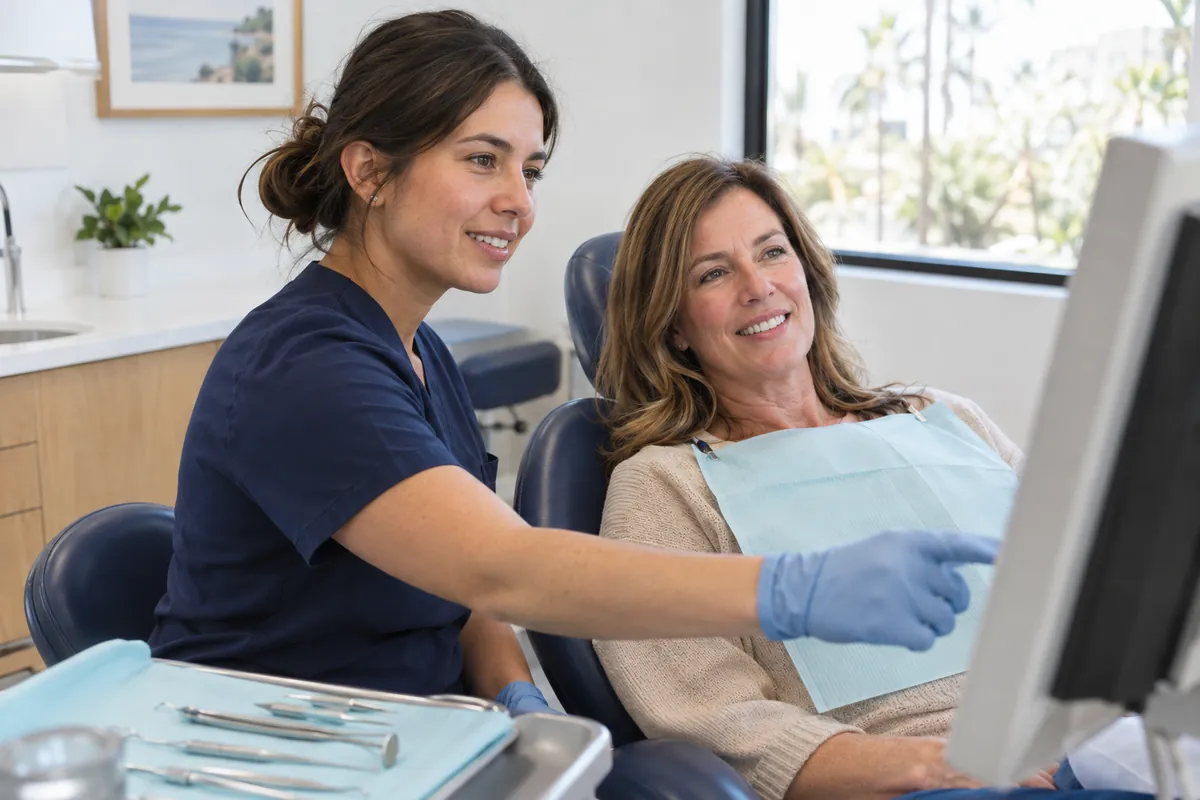
Dental Cleanings & Exams
What happens at a dental checkup: cleaning, exam, X-rays when needed, oral cancer screening and gum checks. Us
Tooth-Colored Fillings
How composite (tooth-colored) fillings work: signs of a cavity, what to expect, composite vs. amalgam, kids’ c

Bad Breath
Most bad breath starts in the mouth. Learn the common causes, what helps at home, when it can signal a health

Sensitive Teeth
Why teeth get sensitive to cold, hot or sweets, what helps at home, what a dentist can do, and when sensitivit
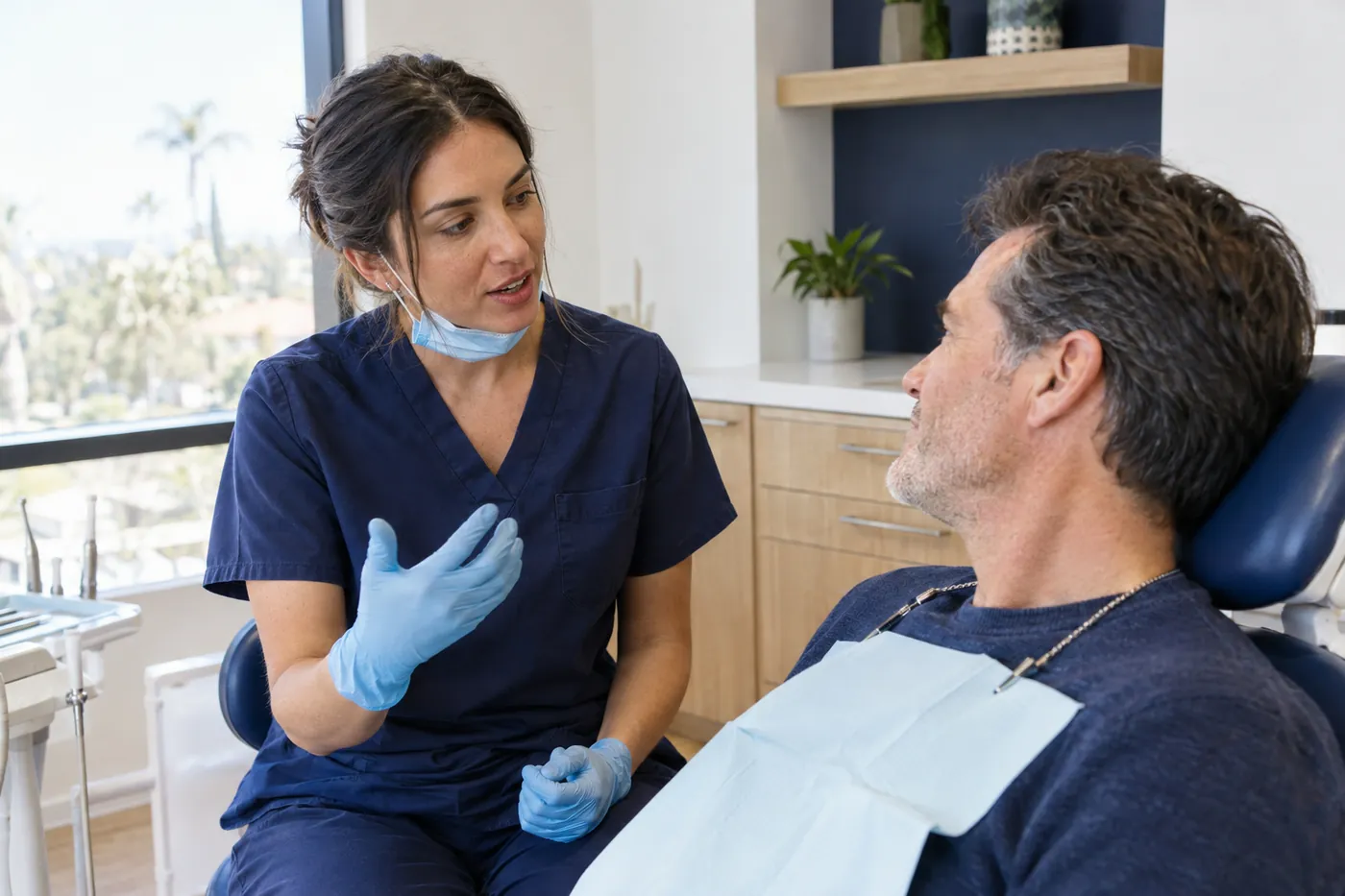
Gum Disease Treatment
Bleeding or swollen gums? Learn the signs of gingivitis and periodontitis, how a deep cleaning works, and how

Dental Symptoms Guide
Find your dental symptom, learn what it may mean and what helps at home, and know when to call 911, go to the
Sources
- Dry Mouth · National Institute of Dental and Craniofacial Research
- Dry Mouth (Xerostomia): Causes, Symptoms & Treatment · Cleveland Clinic
- Dry Mouth · MedlinePlus (National Library of Medicine)
- Dry Mouth · American Dental Association, MouthHealthy
- Periodontal (Gum) Disease · National Institute of Dental and Craniofacial Research
- Tooth Abscess: Symptoms, Causes & Treatment · Cleveland Clinic
- Ludwig’s Angina: Symptoms, Signs & Treatment · Cleveland Clinic
- Orbital Cellulitis: Causes, Symptoms & Treatment · Cleveland Clinic
- What Is a Dental Emergency and Where To Go for Care · Cleveland Clinic
Golden Triangle Dentistry is not affiliated with these organizations. Links open in a new tab.
Important information: This page is general information, not a diagnosis. Talk with your dentist or doctor about your symptoms, and do not stop or change a prescribed medicine without your prescriber’s advice.
Golden Triangle Dentistry
Book a visit
25460 Medical Center Dr, Suite 202, Murrieta
Is your mouth often dry?
Call (951) 677-1054 to talk with our Murrieta team about a visit to check and protect your teeth.