Symptom guide
Toothache: What It Means and What to Do Next
A toothache is a signal that something in or around a tooth needs attention. Here’s what may be causing yours, what you can safely do at home, and when to call a dentist or get emergency care.
- Caring for Murrieta families since 1991
- (951) 677-1054
- Free parking front and back
- Rated 4.9 on Google

What should I do about a toothache?
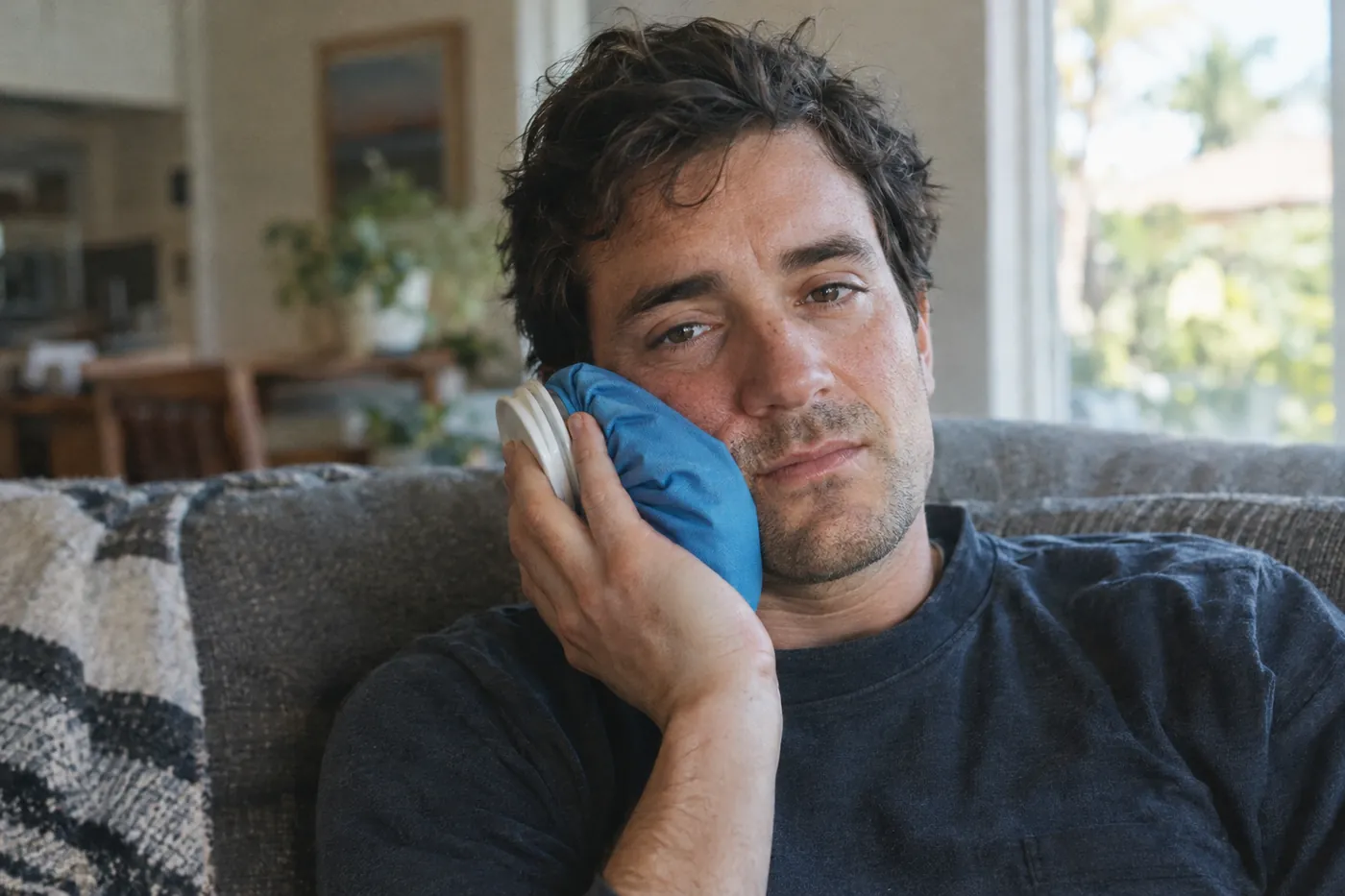
Rinse with warm water, gently floss to clear trapped food, and hold a cold compress on your cheek. An over-the-counter pain reliever, taken as the package directs, can help until you’re seen. Call a dentist if the pain lasts more than two days, or right away if your face or jaw swells.
What does a toothache feel like?
A toothache can feel like a dull ache that won’t go away, a sharp or jabbing pain, or a throbbing pain. Some people only feel it when they bite down or sip something cold. Others feel it all the time.
You may also notice sensitive teeth, swollen gums, a headache, bad breath or a bad taste in your mouth. Fever and chills along with tooth pain point to an infection, and Cleveland Clinic calls that combination a dental emergency that needs prompt care.
Pain you feel in a tooth doesn’t always start there. MedlinePlus notes that an earache, a sinus infection or a jaw injury can cause tooth pain, and that a heart attack can cause jaw, neck or tooth pain.
What causes a toothache?
A toothache usually comes from a problem in the tooth or in the gums around it. Common causes include:
- Cavities. Tooth decay that reaches the deeper layers of a tooth.
- An abscessed tooth. A pocket of infection at the root or in the gum. Our tooth abscess guide explains the warning signs.
- A cracked or chipped tooth. Even a small crack can hurt when you chew. See our guide to a broken or chipped tooth.
- A damaged filling or crown. Worn or loose dental work can let bacteria reach the tooth.
- Grinding or clenching. Also called bruxism, it can cause a dull ache in your teeth and jaw.
- Gum disease or gum irritation. Food caught under the gum can cause pain that fades once the area is clean.
Decay is often silent at first
Early tooth decay usually has no symptoms. Pain and sensitivity tend to show up as it gets worse, which is one reason regular checkups matter.
At a glance
What your tooth pain may be telling you
Different kinds of tooth pain often point to different problems, but only an exam can confirm the cause.
- A quick twinge with hot or cold
Often minor decay, a loose filling or a small area of exposed root. Try a toothpaste for sensitive teeth, and see a dentist if it continues.
- Sensitivity after dental work
Recent work can irritate the nerve. If it hasn’t eased in two to four weeks, or it gets worse, have it checked.
- Sharp pain when you bite
May point to decay, a loose filling, a crack or damage to the nerve inside the tooth. Have a dentist take a look.
- Pain that lingers after hot or cold
Pain lasting more than 30 seconds often means the nerve is damaged. See a dentist as soon as you can.
- Constant, severe pain with swelling
May be an abscess. Call a dentist promptly, and get emergency care if swelling affects breathing or swallowing.
- Dull ache in upper teeth and jaw
Can come from grinding your teeth or from a sinus problem. A dentist can help sort out which one.
How long does a toothache usually last?
It depends on the cause. Pain from minor gum irritation often fades on its own within a day or two.
Pain from a cavity or an abscess is different. It may come and go, but the problem underneath won’t heal by itself. If a toothache lasts longer than two days, call a dentist.
Don’t cancel your visit if the pain suddenly stops. Pain can fade when an infection kills the nerve inside the tooth, while the infection itself keeps spreading.
How do I deal with a sore tooth at home?
Home care can ease a sore tooth for a short time while you wait to see a dentist. These steps are simple and gentle:
- Rinse. Swish warm water to clean your mouth. A warm salt-water rinse, about half a teaspoon of salt in 8 ounces of warm water, can also soothe sore gums.
- Floss gently. Clear away any food caught between your teeth.
- Use a cold compress. Hold an ice pack wrapped in a cloth against the outside of your jaw for about 20 minutes at a time.
- Try an over-the-counter pain reliever. Acetaminophen or ibuprofen can reduce pain until you’re seen. Follow the package directions, and ask your pharmacist if you take other medicines or have health conditions.
- Don’t put aspirin on the tooth or gums. It can irritate the tissue and cause mouth sores.
Home care buys time, not a cure
Rinses, cold packs and pain relievers can make you more comfortable, but they don’t treat a cavity, crack or infection. Plan to have the tooth checked.

When is a toothache an emergency?
A toothache is an emergency when it comes with spreading swelling, a high fever, bleeding that won’t stop, or trouble breathing or swallowing. Call 911 or go to the nearest emergency room if you have:
- Swelling in your face, under your jaw or in your neck that makes it hard to breathe or swallow
- Swelling below your eye, or swelling that affects your vision
- A fever over 101°F along with tooth pain or swelling
- Bleeding that won’t stop when you press on it
- Unbearable pain that doesn’t get better with medication
- A serious injury to your face or jaw, or teeth that suddenly don’t fit together when you close your mouth
After the ER
An emergency room can treat a spreading infection or a serious injury. You’ll still need a dentist afterward to treat the tooth that caused the problem.

When should I see a dentist for a toothache?
See a dentist if a toothache lasts longer than two days, if your face or jaw swells, or if it hurts to open your mouth wide. For a bad toothache without emergency warning signs, call our office at (951) 677-1054 and our team will talk with you about next steps, or read about emergency dental care at our office.
Also call if pain lingers after hot or cold foods, or if you feel a sharp pain when you bite. Pain that lasts more than 30 seconds after something hot or cold often means the nerve inside the tooth is damaged.
That kind of damage is often treated with root canal treatment, which removes the inflamed or infected pulp so you can keep your natural tooth. As Dr. Neff’s letter to our patients explains, root canal treatment will be available right here, so you will not need to travel to another office.
What will the dentist do for a toothache?
The dentist’s first job is finding the cause, because the right treatment depends on it.
Expect questions about when the pain started, what makes it better or worse, and what medicines you take. The dentist will examine your teeth and gums and may take X-rays. Our updated technology includes digital X-rays and 3D imaging.
A cavity may need a filling. A cracked or badly broken tooth may need a crown. An infection may need root canal treatment, draining, or removal if the tooth can’t be saved.
If dental visits make you nervous, tell us. Our office has offered comfort touches like blankets, and nitrous oxide for anxious patients. Learn more about dental anxiety and comfort.

How can I prevent toothaches?
You can prevent many toothaches by preventing the cavities and gum problems that cause them.
- Brush twice a day with fluoride toothpaste and a soft-bristled brush.
- Floss or clean between your teeth once a day.
- Limit sugary foods and drinks, and avoid frequent snacking.
- Get regular dental exams and cleanings.
- Ask your dentist about sealants and fluoride treatments.
- Tell your dentist if you grind your teeth.
Use your benefits
If it’s been a while since your last checkup, our Murrieta team can help you get back on track. Many dental benefits renew at the end of the year, and our team is happy to help you use yours before then.

Questions & answers
Common questions
What medication can I take to relieve tooth pain?
Over-the-counter acetaminophen or ibuprofen can ease tooth pain until you see a dentist. Read the label and follow the package directions. Ask your pharmacist which option is safe for you, especially if you take other medicines, are pregnant or have a health condition. Never put aspirin directly on the tooth or gum, and remember that pain relievers don’t treat the cause.
How do I stop nerve pain in a tooth at night?
There’s no special nighttime fix, but the daytime steps still help: a warm salt-water rinse, gentle flossing, a cold compress and an over-the-counter pain reliever taken as directed. Pain strong enough to keep you awake deserves a prompt call to a dentist the next day. If swelling, fever or trouble swallowing develops during the night, go to the emergency room.
Why isn’t ibuprofen helping my toothache?
Pain relievers dull pain for a while, but they can’t fix a cavity, crack or infection, so the pain often comes back. Don’t take more than the label allows or combine medicines without asking a pharmacist. If the pain is unbearable and medication isn’t helping, Cleveland Clinic advises going to the emergency room. Either way, call a dentist so the cause can be found and treated.
Can the ER help with a tooth?
Yes, for true emergencies. Go to the ER for swelling that affects breathing, swallowing or your eye, a high fever, bleeding that won’t stop, or a serious face or jaw injury. An emergency room can treat the infection or injury, but the tooth itself still needs dental care. For a toothache without those warning signs, call a dentist first.
My wisdom tooth pain isn’t going away. What should I do?
Call a dentist. Wisdom teeth that only partly come through can trap food and bacteria under a flap of gum, which can lead to an infection called pericoronitis. Until you’re seen, warm salt-water rinses and an over-the-counter pain reliever can help. Fever, facial swelling, or trouble opening your mouth or swallowing need prompt care. Our wisdom tooth pain guide has more detail.
Keep reading
Related care and answers

Emergency Dental Care
What counts as a dental emergency, what to do now for a knocked-out or broken tooth, toothache or swelling, an
Root Canal Treatment
Root canal treatment saves an infected tooth. Learn the signs, what happens, comfort, crowns, myths and cost,
Tooth Abscess
Signs of a tooth abscess, which symptoms mean call 911 or go to the ER, what helps while you wait, and how a d

Sensitive Teeth
Why teeth get sensitive to cold, hot or sweets, what helps at home, what a dentist can do, and when sensitivit

Wisdom Tooth Pain
Why wisdom teeth hurt, how to ease the pain safely at home, which signs mean emergency care, and what a dentis
Root Canal Cost Guide
What affects the cost of a root canal, why a crown often follows, and how saving a tooth compares with pulling
Sources
- Toothache: Symptoms, Causes & Remedies · Cleveland Clinic
- Toothaches · MedlinePlus (U.S. National Library of Medicine)
- Tooth Pain · American Association of Endodontists
- What is a Root Canal? · American Association of Endodontists
- Dental Emergencies · American Dental Association (MouthHealthy)
- Tooth Decay · National Institute of Dental and Craniofacial Research
- Abscessed Tooth · Cleveland Clinic
- Tooth abscess · MedlinePlus (U.S. National Library of Medicine)
- Ludwig’s Angina: Symptoms, Signs & Treatment · Cleveland Clinic
- Broken or knocked out tooth · MedlinePlus (U.S. National Library of Medicine)
- Pericoronitis: Symptoms, Causes & Treatment · Cleveland Clinic
Golden Triangle Dentistry is not affiliated with these organizations. Links open in a new tab.
Important information: This page shares general information and is not a diagnosis; only an exam can tell what’s causing your pain. If you have trouble breathing or swallowing, call 911.
Golden Triangle Dentistry
Book a visit
25460 Medical Center Dr, Suite 202, Murrieta
Toothache that won’t let up?
Call Golden Triangle Dentistry at (951) 677-1054 or request a visit, and our team will help you take the next step.